
How to Choose a Church: A Practical Guide
Choosing a church can feel like a big decision. Whether you grew up attending church, are returning after time away, or are visiting for the first time, it is normal to have questions about where you will fit. Learning how to choose a church starts with understanding what matters most to you, finding a community that shares your beliefs, and visiting different churches with an open mind.
There is no single “perfect” church for everyone. The right church is a place where you can learn about Jesus, build relationships, ask honest questions, and grow in your faith.
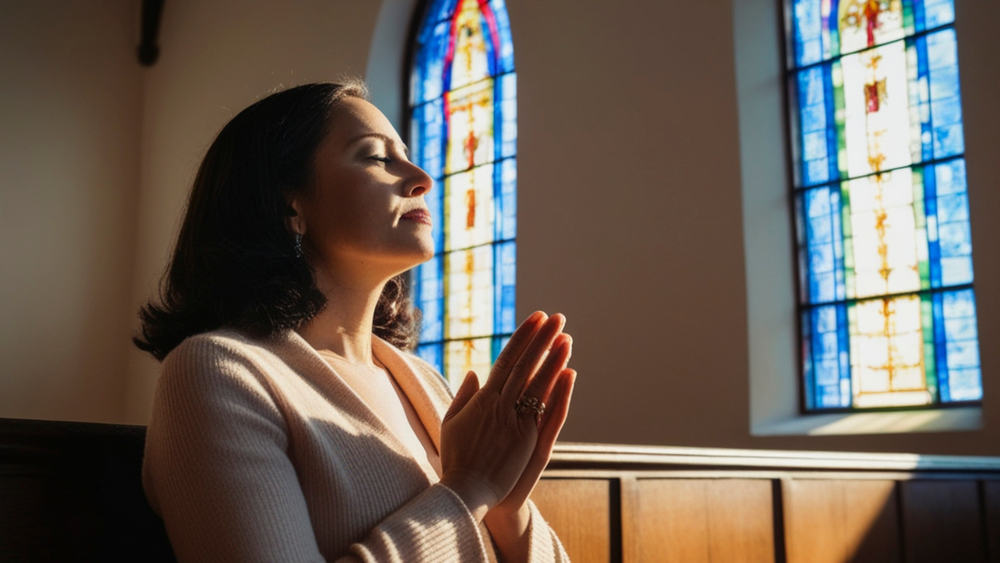
How to choose a church that fits your beliefs and needs
Before visiting churches, it helps to think about what you are looking for. Many people start by searching “how to find a church” online, but a better starting point is understanding your own priorities.
Ask yourself:
What do I believe about Christianity and the Bible?
Am I looking for a traditional or modern worship style?
Do I want a smaller community or a larger congregation?
Is children’s ministry important for my family?
Do I want opportunities to serve or join groups?
How far am I willing to travel each week?
Your answers will help you focus your search. A church is not only a place you attend on Sundays. It is a community where you will spend time, form relationships, and continue learning.
Start with the basics: what do you believe?
Churches can differ in their traditions, teaching styles, and structures. Before choosing a church, it helps to understand the beliefs that are most important to you.
Many Christian churches share core beliefs, including:
Faith in Jesus Christ
The importance of Scripture
The value of prayer
The call to love and serve others
The differences often come from how churches understand certain teachings, worship practices, and leadership structures.
For example, Lutheran churches have a historic Christian tradition with beliefs centred on Scripture and God’s grace. You can learn more aboutwhat Lutherans believe and how Lutheran churches approach faith.
Other churches may describe themselves as non-denominational, meaning they are not formally connected to a specific denomination. Understandingwhat a non-denominational church is and how it compares with denominational churches can help you know what different church labels mean.

Denominations at a glance
If you are new to church, denominations can feel confusing. A simple way to think about them is that denominations are groups of churches that share similar beliefs, history, and traditions.
Here are a few examples:
Lutheran churches
Lutheran churches trace their history back to the Protestant Reformation. They often emphasise God’s grace, faith in Jesus, and the teachings of Scripture.
Baptist churches
Baptist churches often highlight personal faith, baptism by immersion, and the importance of individual decisions about following Christ.
Methodist churches
Methodist churches have roots in the teachings of John Wesley and often focus on faith, service, and helping others.
Non-denominational churches
Non-denominational churches are independent churches that are not officially connected to a larger denomination. Many focus on Bible teaching, worship, and local community.
A denomination does not automatically determine whether a church is welcoming or right for you. Two churches from the same denomination can feel very different, while churches from different backgrounds may share many similarities.
What to look for in a church
Knowing what to look for in a church can make visiting new places much easier. Instead of focusing only on the building, music, or size of the congregation, pay attention to the overall experience.
Here is a simple checklist.
Questions to ask when visiting a church
Does the church teach about Jesus clearly? Look for teaching that explains the Bible and points people towards faith in Christ.
Do you feel welcomed? Notice how people treat visitors. Are you greeted kindly? Do people seem interested in getting to know you?
Does the church feel genuine? A healthy church community should allow people to be honest about their questions, struggles, and faith.
Is the worship style a good fit? Some churches use traditional hymns and historic worship practices. Others use contemporary music and a more casual style. Consider what helps you connect with God.
Are there opportunities to build relationships? Look for small groups, classes, events, or ways to serve. Relationships often become one of the most valuable parts of church life.
Does the church support your family? If you have children, consider whether the church provides a safe and welcoming environment for them. Resources likehow to find a church for your family in Little Rock can help parents think through what matters most.
How many churches should you visit before deciding?
There is no required number of churches you need to visit before choosing one.
Some people know quickly when they find the right community. Others need to attend several services before they feel comfortable.
A good approach is to visit enough churches to make a thoughtful decision. Try attending at least two or three services if you are unsure. This gives you time to experience the worship style, meet people, and hear more than one message.
During your visits, pay attention to how you feel after leaving.
Ask:
Did I feel welcomed?
Did the message help me understand my faith?
Could I imagine building relationships here?
Would this church support me during important seasons of life?
Should I go to church if I am unsure about my faith?
Many people ask, “Should I go to church?” because they are uncertain, have questions, or feel disconnected from religion.
You do not need to have everything figured out before attending church.
Church is a place where people at different stages of faith come together. Some people have followed Jesus for many years. Others are simply exploring and looking for answers.
Visiting a church does not require a commitment. It is an opportunity to listen, meet people, and learn.
Red flags and green flags when choosing a church
Every church will have its own personality, but there are some signs that can help you make a wise decision.
Green flags
Look for:
Clear teaching from the Bible
Friendly and respectful people
Leaders who are approachable
A focus on serving others
A welcoming attitude towards visitors
Opportunities to grow in faith
Red flags
Be cautious of:
Pressure to commit immediately
Leaders who avoid accountability
Teaching that focuses only on popularity, money, or personal gain
A culture where questions are discouraged
Unhealthy treatment of people who disagree
A church does not need to be perfect. Every community is made up of people. The goal is to find a church that is honest about its beliefs and committed to following Christ.
Visiting a church for the first time
A first visit can feel intimidating, but most churches understand that new visitors may feel unsure.
You can expect:
People welcoming you when you arrive
A worship service with music and teaching
Time for prayer or reflection
Information about church activities
Opportunities to meet others
You do not need special clothing, previous church experience, or knowledge of every tradition.
Simply come as you are.
If you are visitingChrist Little Rock, you can learn more aboutwhat to expect on your first visit here.
Finding a church for your family
Choosing a church becomes even more important when you are considering your family’s needs.
Parents often look for churches where children can learn about faith, build friendships, and feel included. It can help to ask:
Are children welcomed during services?
Are there age-appropriate activities?
Are parents supported?
Does the church create a safe environment?
Finding a church for your family is not only about convenience. It is about finding a place where your family can grow together.

Take your time when choosing a church
Choosing a church is a personal decision, and it is worth taking the time to find a community that feels right.
Focus on the things that matter most: faith, teaching, relationships, and whether the church helps you grow closer to God. Labels, buildings, and worship styles can tell you something, but the people and the message of the church often tell you much more.
If you are exploring churches in Little Rock, you are welcome to visitChrist Little Rock, ask questions, and experience the community for yourself. There is no pressure to have everything figured out. You can simply come, meet people, and see if it feels like the right place for you.
Frequently Asked Questions
How do I choose a church?
Start by identifying your beliefs, priorities, and what type of community you are looking for. Visit churches, ask questions, and choose a place where you feel welcomed and encouraged in your faith.
What should I look for in a church?
Look for clear Bible teaching, welcoming people, opportunities for relationships, and a church community that helps you grow spiritually.
How do I find a church near me?
Search online, ask friends or family for recommendations, and visit local churches to experience their worship and community.
Should I visit more than one church?
Yes. Visiting several churches can help you compare worship styles, teaching, and community before making a decision.
How do I find a church for my family?
Consider children’s programmes, family support, teaching, safety, and whether the church creates a welcoming environment for all ages.
Does the denomination of a church matter?
A denomination can tell you about a church’s history and beliefs, but visiting the church and understanding its community is the best way to know if it is a good fit.
