
What Do Lutherans Believe? A Simple Guide to Faith
Lutherans believe that people are saved through God’s grace by faith in Jesus Christ, not by earning God’s love through good behaviour. They believe the Bible is the highest authority for Christian teaching and that God gives His grace through His Word, Baptism and Communion.
These beliefs shape how Lutherans understand forgiveness, worship, everyday life and the purpose of the church. This guide answers the question what do Lutherans believe in clear language for anyone who is curious, exploring faith or thinking about visiting a Lutheran church.

What is a Lutheran?
A Lutheran is a Christian whose beliefs come from the Bible and were shaped by the teaching of Martin Luther during the Protestant Reformation.
The Protestant Reformation was a movement that began in Europe during the 1500s. Luther, a German pastor and university professor, raised concerns about church teachings and practices that he believed did not agree with the Bible.
Luther did not set out to create a religion centred on himself. His main concern was that people should hear the good news that forgiveness and eternal life are gifts from God because of Jesus.
Lutherans are part of the wider Christian church. They believe in one God, revealed as Father, Son and Holy Spirit. This Christian teaching is called the Trinity.
Lutherans believe that Jesus is fully God and fully human. They believe He lived without sin, died on the cross for humanity’s sin and rose from the dead.
The name “Lutheran” describes a Christian tradition, but Jesus remains at the centre of Lutheran belief and worship.
There are different Lutheran church groups, also called synods, in the United States. A synod is an organised group of congregations that share beliefs and work together.
Christ Little Rock is connected with The Lutheran Church Missouri Synod, commonly called the LCMS. This connection appears in the official LCMS church locator and on the Christ Little Rock School website. The church should confirm the wording before publication. (LCMS Locator)
Core Lutheran beliefs
Many summaries of Lutheran doctrine use three short phrases: grace alone, faith alone and Scripture alone.
The word “doctrine” simply means an organised teaching or belief. These three teachings help explain what Lutherans believe about God, salvation and the Bible.
Grace alone
Grace is God’s undeserved love and kindness.
Lutherans believe that no person can earn forgiveness or make God love them more. Salvation begins with what God has done, not with what a person achieves.
Sin means anything in our thoughts, words or actions that goes against God’s will. It also describes humanity’s broken relationship with God.
Lutherans believe every person needs forgiveness. They also believe God freely offers that forgiveness because Jesus died and rose again.
This is why grace is such a central part of Lutheran beliefs. Christianity is not treated as a reward system in which good people earn a place with God. Salvation is received as a gift.
The LCMS summarises this teaching by saying that a person is saved by God’s grace through faith in Jesus Christ. (LCMS)
Grace does not mean that kindness, honesty or service are unimportant. Lutherans believe good works should follow faith. They are a response to God’s love, not a payment for it.
Faith alone
Faith means trusting God and relying on what Jesus has done.
Lutherans do not see faith as a personal achievement. Faith itself is understood as a gift that God creates through the message of Jesus.
This means Christians are not saved because their faith is stronger than someone else’s. They are saved because Jesus is trustworthy.
A person may still have questions, fears or periods of doubt. Lutheran teaching does not tell people to measure God’s love by the strength of their feelings. It directs them back to God’s promises.
The phrase “faith alone” also means that religious actions do not earn salvation. Attending church, giving money, serving others and praying are valuable parts of Christian life, but they do not purchase forgiveness.
Lutherans believe that good works grow from faith. They are ways to care for neighbours, serve the community and reflect God’s love.
Scripture alone
Scripture is another name for the Bible.
Lutherans believe the Bible is the highest authority for Christian belief. Church traditions, pastors and teachers can be helpful, but their teaching should be tested against Scripture.
“Scripture alone” does not mean Lutherans ignore history or refuse to learn from other Christians. Lutheran worship uses historic prayers, creeds and songs.
A creed is a short statement that summarises Christian belief. Creeds are respected because they express biblical teaching, not because they replace the Bible.
The LCMS states that Scripture bears witness to Jesus and that its main purpose is to lead people towards salvation through faith in Him. (LCMS)
Lutherans read both the Old Testament and the New Testament. They believe the whole Bible tells one connected story of creation, human sin, God’s promises, Jesus and the restoration God brings.
Law and Gospel
Another common Lutheran teaching is the distinction between Law and Gospel.
God’s Law shows what is right. It tells people how to love God and their neighbours. It also shows where people fall short.
The Gospel is the good news of what God has done through Jesus. It announces forgiveness rather than demanding that people earn it.
Lutherans believe both messages are needed. The Law speaks honestly about sin, while the Gospel gives comfort and hope through Christ.
The sacraments: Baptism and Communion
A sacrament is a sacred act commanded by Jesus in which God joins His promise to a physical element.
Lutherans normally speak of two sacraments: Baptism and Holy Communion. Communion is also called the Lord’s Supper or the Sacrament of the Altar.

What Lutherans believe about Baptism
Baptism uses water together with God’s Word.
Lutherans believe Baptism is more than a public symbol of personal commitment. They believe God works through Baptism to give forgiveness, new life and faith.
For this reason, Lutheran churches baptise infants, children and adults. The focus is placed on God’s promise rather than the age or understanding of the person being baptised.
The LCMS describes Baptism as a “means of grace”. This term means a way God has chosen to deliver His grace and strengthen faith. (LCMS)
Baptism is not viewed as a reward for reaching a certain level of spiritual knowledge. It is a gift to be received.
Lutherans also teach that faith needs ongoing care. Baptised people are encouraged to hear the Bible, pray, worship and grow within a Christian community.
What Lutherans believe about Communion
In Communion, Christians receive bread and wine while hearing Jesus’ words of promise.
Lutherans believe Christ’s body and blood are truly present in the sacrament. They do not treat Communion as only a reminder or memorial.
They also do not try to explain the presence of Christ through a physical or scientific process. They trust Jesus’ words that the bread is His body and the wine is His blood.
Communion offers forgiveness, comfort and strength for faith. It is received rather than achieved.
Lutheran congregations may have specific Communion practices based on shared belief, preparation and pastoral care. Guests who are uncertain about participating can speak with the pastor before the service.
That conversation is not meant to make anyone feel unwelcome. It gives the pastor a chance to explain what the congregation believes Communion means.
How Lutherans worship
Lutheran worship is centred on God’s Word and sacraments.
A typical service may include Bible readings, prayers, a sermon, Christian creeds, music and Communion. A sermon is a message in which a pastor explains and applies a Bible passage.
Some Lutheran churches use traditional hymns, robes, an organ and a set order of worship called a liturgy. A liturgy is a planned pattern of prayers, readings and responses.
Other Lutheran services use modern music, a band and a more relaxed setting. The style may change, but the purpose remains the same: hearing God’s Word, receiving His gifts and responding with prayer and praise.
Christ Little Rock currently offers classic worship with hymns at 8 am and modern worship at 10.30 am. Its visitor page says services last about an hour, guests are not singled out, and visitors are not expected to give money. (Christ Little Rock Church)
Lutherans often describe worship as something God first does for His people. God speaks through Scripture, announces forgiveness and serves people through the sacraments. The congregation then responds with faith, prayer, music and service.
This order matters. Worship is not a performance by religious people trying to impress God.
Lutheran vs. other denominations: a quick overview
Christian denominations share many central beliefs, but they may understand authority, salvation, Baptism and Communion differently.
A denomination is an organised branch of Christianity. Lutheran, Presbyterian, Methodist, Baptist and Roman Catholic are examples.
Lutheran vs. Presbyterian
Lutherans and Presbyterians both come from the Protestant Reformation and place strong value on the Bible.
One difference concerns Communion. Lutherans believe Christ’s body and blood are truly given with the bread and wine. Presbyterian churches often describe Christ’s presence in a spiritual way.
There may also be differences in how the two traditions explain election, which is the teaching about God choosing people for salvation.
Presbyterian beliefs vary between church groups, so local congregations may not all explain these topics in the same way. The LCMS provides a fuller comparison of Lutheran and Presbyterian teaching in itsdenominational beliefs guide. (LCMS)
Lutheran vs. Methodist
Lutherans and Methodists agree that salvation depends on God’s grace and that faith should lead to a changed life.
Methodist teaching often places more attention on spiritual growth and the Christian’s response to grace. Lutheran teaching places strong attention on God declaring sinners forgiven because of Christ.
Both traditions practise Baptism and Communion, though they may explain how God works through the sacraments differently.
Lutheran vs. Baptist
Lutheran and Baptist churches both value the Bible and proclaim faith in Jesus.
Most Baptist churches baptise people after a personal statement of faith, usually by full immersion in water. Lutherans baptise infants and adults because they believe Baptism is first God’s action and promise.
Many Baptist churches view Communion mainly as a memorial. Lutherans believe Christ’s body and blood are truly present and given to those who receive it.
Lutheran vs. Catholic
Lutheran and Catholic worship can look similar because both traditions use creeds, Bible readings, Communion and historic patterns of prayer.
They differ over the authority of the Pope, the relationship between Scripture and church tradition, the number of sacraments, prayers involving saints and the way salvation is explained.
Both traditions believe in the Trinity, the divinity of Jesus, His death and resurrection, Baptism and the importance of Christian worship.
These comparisons should not be used to judge individual Christians. They help readers understand why churches that share many beliefs can still have different teachings and practices.
What this looks like at Christ Little Rock
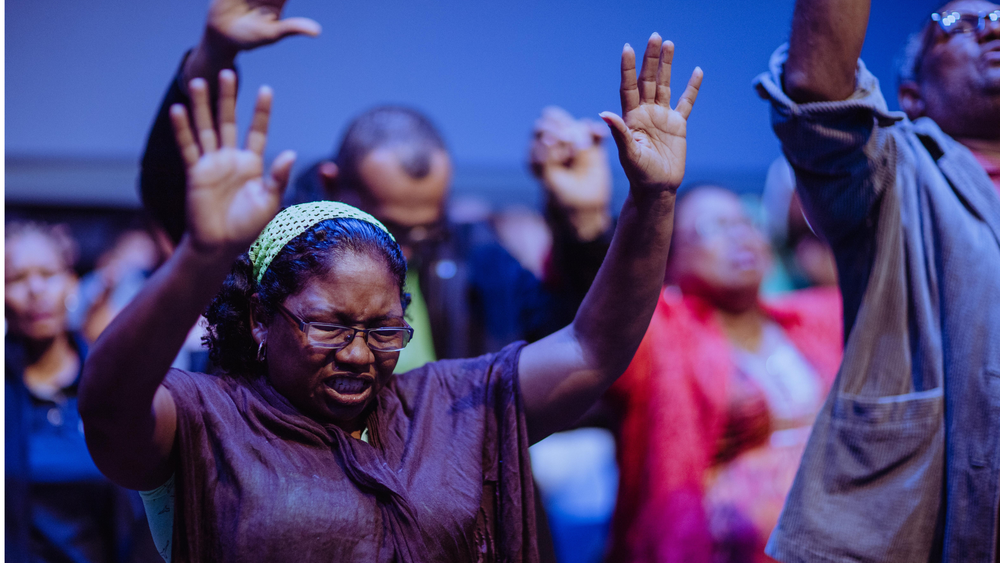
At Christ Little Rock, Lutheran beliefs are expressed through Bible based teaching, worship, prayer, Communion and community life.
The church describes itself as a place where people can meet Jesus, connect with others and experience a welcoming community. Its visitor information also makes clear that new guests will not be asked to stand, introduce themselves or contribute to the offering. (Christ Little Rock Church)
Visitors can choose between a classic service with hymns and a modern service with a more informal atmosphere. Families worship together during the modern service before children leave for age appropriate teaching.
You do not need to know Lutheran vocabulary before attending. Questions are welcome, and no one is expected to have everything worked out.
You can read more aboutwhat Christ Little Rock believes or review the church’sfirst visit information before coming on a Sunday.
Frequently asked questions about Lutheran beliefs
Do Lutherans believe in Jesus?
Yes. Lutherans believe Jesus is the Son of God, fully divine and fully human. They believe He died for humanity’s sin and rose from the dead.
Do Lutherans believe good works matter?
Yes. Lutherans believe Christians should love their neighbours and do good. They do not believe these actions earn salvation. Good works are a response to God’s grace.
Do Lutherans baptise babies?
Yes. Lutherans baptise infants because they believe Baptism is God’s promise and gift, not a statement based on a person’s age or ability.
Do Lutherans believe Communion is symbolic?
Lutherans believe Communion includes remembrance, but they do not see it as only symbolic. They believe Christ’s body and blood are truly present with the bread and wine.
Do Lutherans pray to Mary or the saints?
Lutherans respect Mary and other faithful Christians from history. They pray directly to God through Jesus rather than asking saints to act as mediators.
Can anyone visit a Lutheran church?
Yes. Visitors are welcome to attend worship, hear the Bible, pray and meet people. Communion practices may differ, so guests can ask the pastor about receiving Communion.
You are welcome to visit
Reading about Lutheran beliefs can answer many questions, but visiting a service can show you how those beliefs are lived out.
Come with your questions, your experiences and your doubts. You do not need special clothing or a church background.
Review theChrist Little Rock visitor guide, orcontact Christ Little Rock before your visit.
